
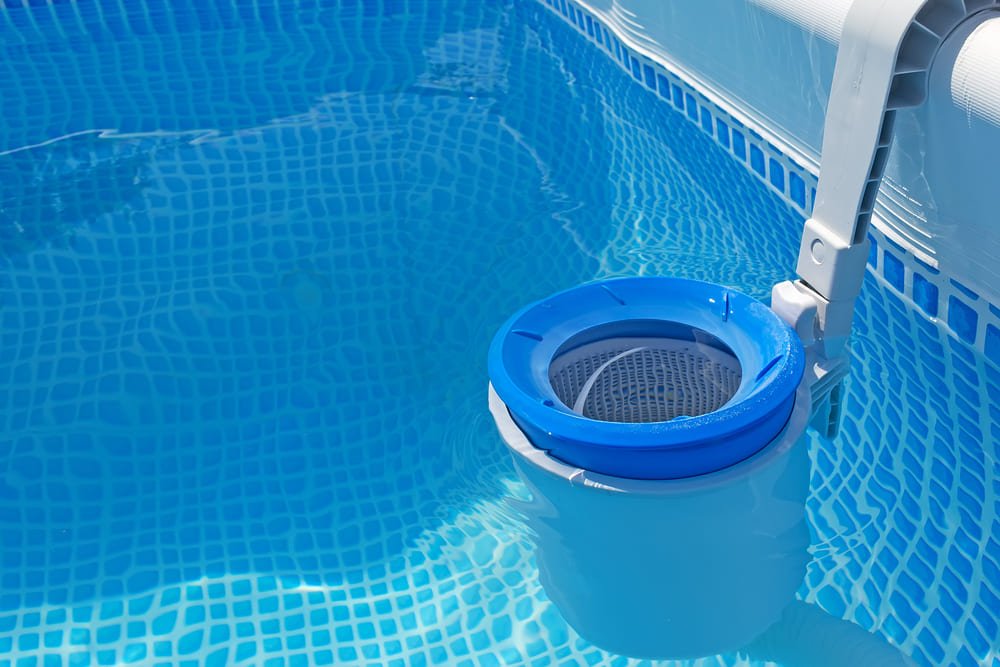
Your pool’s filter does more than any other piece of equipment to keep the water clear. Choosing the right one, and looking after it, makes every other part of pool care easier. Here are the three main types of pool filters, how they work and what each is best for.
How Pool Filters Work
Every pool filter does the same basic job: the pump pushes water through it, the filter traps dirt and debris, and clean water flows back to the pool. The difference between filter types is how fine the particles they catch are, and how much work they take to maintain.
The 3 Main Types of Pool Filters
The right filter keeps your pool clean and ready to swim with less effort. There are three main types: sand filters, cartridge filters and diatomaceous earth (DE) filters.
Which Pool Filter Is the Most Efficient?
Sand and cartridge filters are the most popular because they are affordable and easy to look after. DE filters catch the finest particles, down to about 3 to 5 microns. A micron is one-millionth of a meter, about 0.00004 inches. For comparison, a human red blood cell is around 5 microns across and a human hair is about 75 microns wide.
Each type has its own pros and cons and suits different pools. Here is a quick comparison to help you narrow down your options.
Sand Filter
A sand filter is a large, heavy tank filled with special filter sand. It is the most affordable choice and the easiest to look after: you clean it by backwashing, which reverses the flow and flushes out trapped dirt. Backwashing does lower the water level a little each time. The sand needs replacing every 5 to 7 years.
Sand catches particles down to about 20 to 40 microns, the least fine of the three. That means a sand filter can take longer to clear a green or cloudy pool than a DE filter. It works well for pools that are not used heavily and are not under trees.
Cartridge Filter
A cartridge filter works much like the pleated air filter in a car. Water passes through pleated fabric that traps particles of about 10 to 15 microns. Cartridge filters are popular for in-ground pools, spas and above-ground pools of most sizes. They do not need backwashing, so they save water, but the cartridges must be removed and hosed off, and replaced every 1 to 3 years. A cartridge filter costs more upfront than a sand filter. Very large commercial pools usually need a different system. To learn how to clean one, see our guide on how to clean a pool filter.
Diatomaceous Earth (DE) Filter
DE is a natural powder made from the fossilized remains of tiny organisms called diatoms. In a DE filter, grids inside the tank are coated with this powder, which traps even very fine particles. DE filters are compact for how well they filter.
Like a sand filter, a DE filter is backwashed, but afterwards you add fresh DE powder to recoat the grids. The grids should also be taken out and cleaned by hand every 6 to 12 months and replaced when they tear. DE filters cost the most but filter the best, which makes them a strong choice for large or heavily used pools.
To Wrap It Up
Not sure which filter is right for your pool? Clear Tec Pools can help you choose, install it and keep it running. Whatever type you have, clean it regularly to prevent clogging and keep your water clear. If you would rather not do it yourself, our pool filter cleaning service takes care of it, and we clean and protect your filter as part of every pool closing.
Need help with your pool in Hoschton or nearby? Call Clear Tec Pools at 678-679-0165 or book online.